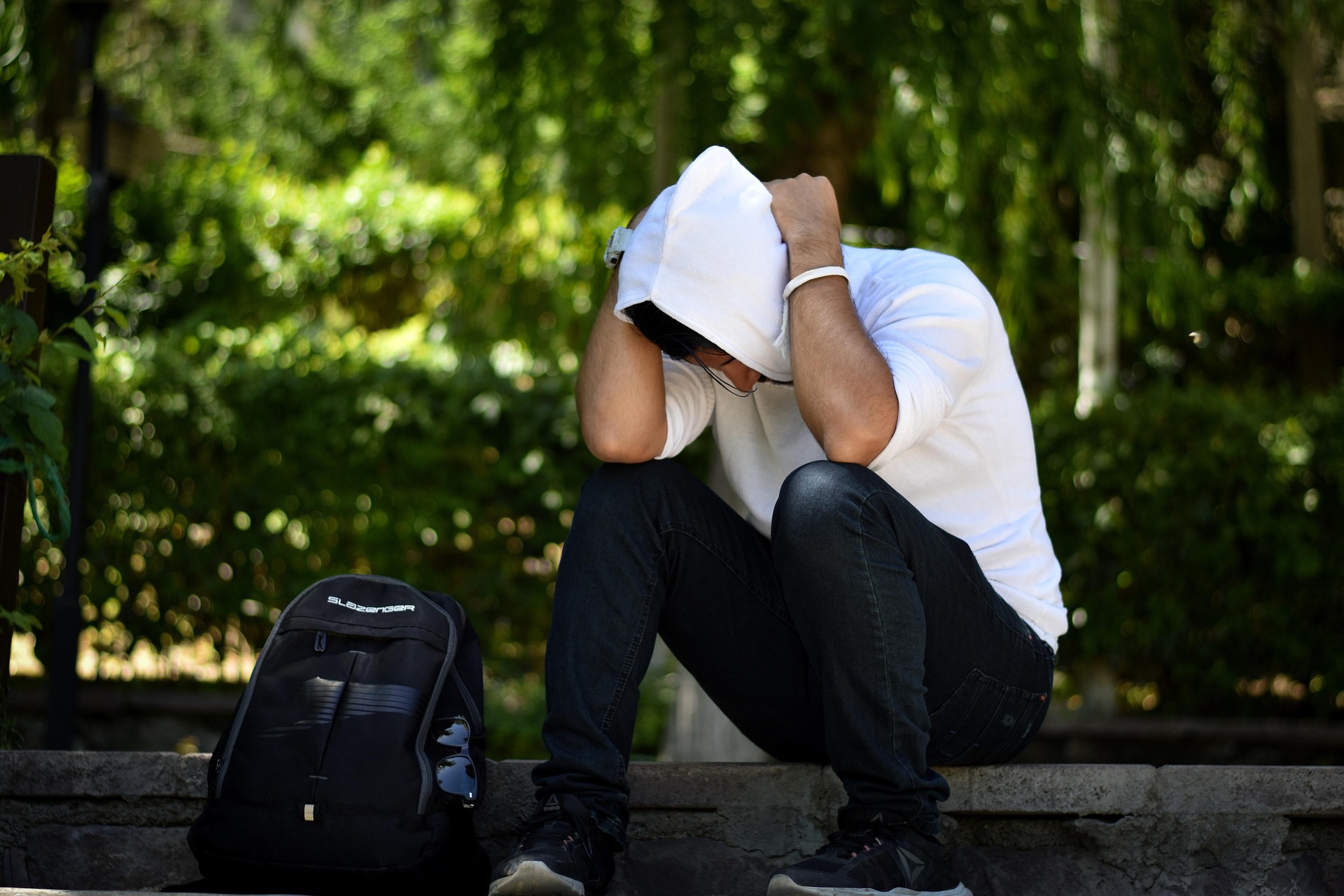
Have you ever felt your heart suddenly start racing out of nowhere? Your breathing gets heavy, a wave of dread washes over you, and that thought creeps in — something bad is about to happen.
For years, that was my daily reality.
For years, I was terrified of my own anxiety symptoms. Every racing heartbeat, every tight chest, every wave of dizziness — I was convinced something was seriously wrong with me. I went from doctor to doctor, ran test after test, and still couldn’t find peace. Every time a symptom showed up, I genuinely believed it might be the end.
But one day, instead of running from those symptoms, I decided to do something different. I started recording them.
The Experiment That Changed Everything
I created what I called an anxiety diary. Every single time a symptom appeared — racing heart, shortness of breath, numbness in my hands and feet, dizziness — I wrote it down. Not out of fear, but out of curiosity. I stopped treating these symptoms like enemies and started treating them like messages. I wanted to understand them, not escape them.
A few months of doing this led me to a truth that genuinely changed my life.
What I Started Noticing
The first thing I noticed was patterns.
When I spent a lot of time thinking about past regrets — replaying old memories, dwelling on things I couldn’t change — my stomach would act up. Every single time.
When I was anxious about the future — worrying about what might happen tomorrow or next week — my throat would go dry.
These weren’t random. My body was responding directly to where my mind was going.
I also noticed something that initially seemed impossible — my heart would race, my breathing would feel laboured, and I’d be convinced I was running out of oxygen. So I started checking with a pulse oximeter. Every single time, my oxygen levels were completely normal. The feeling of suffocation was absolutely real. But the suffocation itself was not.
In 30 days, I counted at least 40 to 45 moments where I was convinced I was dying. And every single time — nothing happened. I was still here. Still breathing. Still okay.
The Body Was Lying
That sounds dramatic, but that’s the only way I can describe what I discovered.
The physical symptoms of anxiety — the racing heart, the tight chest, the shaky hands, the feeling of impending doom — they felt completely real. But they weren’t telling the truth about what was actually happening in my body.
No report ever showed anything wrong. No doctor ever found anything dangerous. Because there was nothing dangerous to find.
What I came to understand was that my brain was pulling a fire alarm in a building that wasn’t on fire. The alarm was deafening and terrifying — but there was no actual fire.
The Most Surprising Discovery
Here’s the thing that shocked me the most during those 30 days.
I noticed that the symptoms were rarely at their worst when I was actually in a difficult or challenging situation. They were most intense when I was trying to keep myself safe — when I was avoiding things, staying in my comfort zone, trying to protect myself from discomfort.
The more I tried to stay safe, the louder the alarm got.
I also noticed that every single symptom had a peak — and after that peak, it always started to fade on its own. No matter how terrifying it felt in the moment, it never lasted more than 20 to 30 minutes at its worst. The body would exhaust itself and then begin to settle down. Every time, without exception.
And the times when I got distracted — when I got absorbed in something and temporarily forgot about the symptoms — they would quietly disappear without me even noticing.
Anxiety Wasn’t Trying to Kill Me
This was the realisation that genuinely shifted everything for me.
For years I had been treating anxiety like a threat, like something trying to destroy me. But looking back at all those diary entries, I started to see it differently.
Anxiety was showing up when I was overthinking, when I was avoiding life, when I was spending too much time in my own head. It wasn’t attacking me. It was pointing at something.
The day that clicked — the day I genuinely accepted that these symptoms couldn’t actually harm me — was the day the fear started to lose its grip. And as the fear loosened, the symptoms slowly began to settle down too.
What the Diary Also Taught Me About Triggers
After a few weeks of tracking, some very clear patterns emerged.
Heavy social media use — especially reading negative news or anything health-related — would reliably make my head feel heavy and foggy within hours. The brain was absorbing all of that information and treating it as threat.
Going days without talking to anyone about how I was feeling made the anxiety significantly worse. The moment I shared what was going on with someone I trusted, something would lighten — even if nothing in my circumstances had actually changed. Holding everything inside created a kind of internal pressure that had nowhere to go.
Something Else I Realised
Anxiety doesn’t belong to weak people. Looking back, the people I know who have experienced anxiety most intensely tend to be the ones who think deeply, care a lot, and feel things strongly.
A fast, creative, highly active mind can be an incredible asset. But when that same mind turns inward with nothing useful to focus on, it starts generating its own emergencies. That’s not weakness. That’s a powerful mind without direction.
Where I Am Now
I am not the person I was when I started that diary. The symptoms that used to send me into a complete spiral — racing heart, breathlessness, the feeling that something terrible was about to happen — I understand them now. I’ve seen them come and go hundreds of times. I know they peak and then fade. I know they’re not dangerous.
That knowledge doesn’t make me invincible. Some days are still harder than others. But the fear of the symptoms themselves — that specific, paralysing terror — that’s gone.
It left the day I stopped running and started paying attention.
One Last Thing
If you’re in a place right now where the symptoms feel completely overwhelming — where every heartbeat feels like a warning sign and every tight breath feels like the beginning of something catastrophic — I just want you to know that I have been exactly there.
And the thing that scared me most turned out to be the thing that taught me the most.
You’re still here. You’re still breathing. And that matters more than you might realise right now.